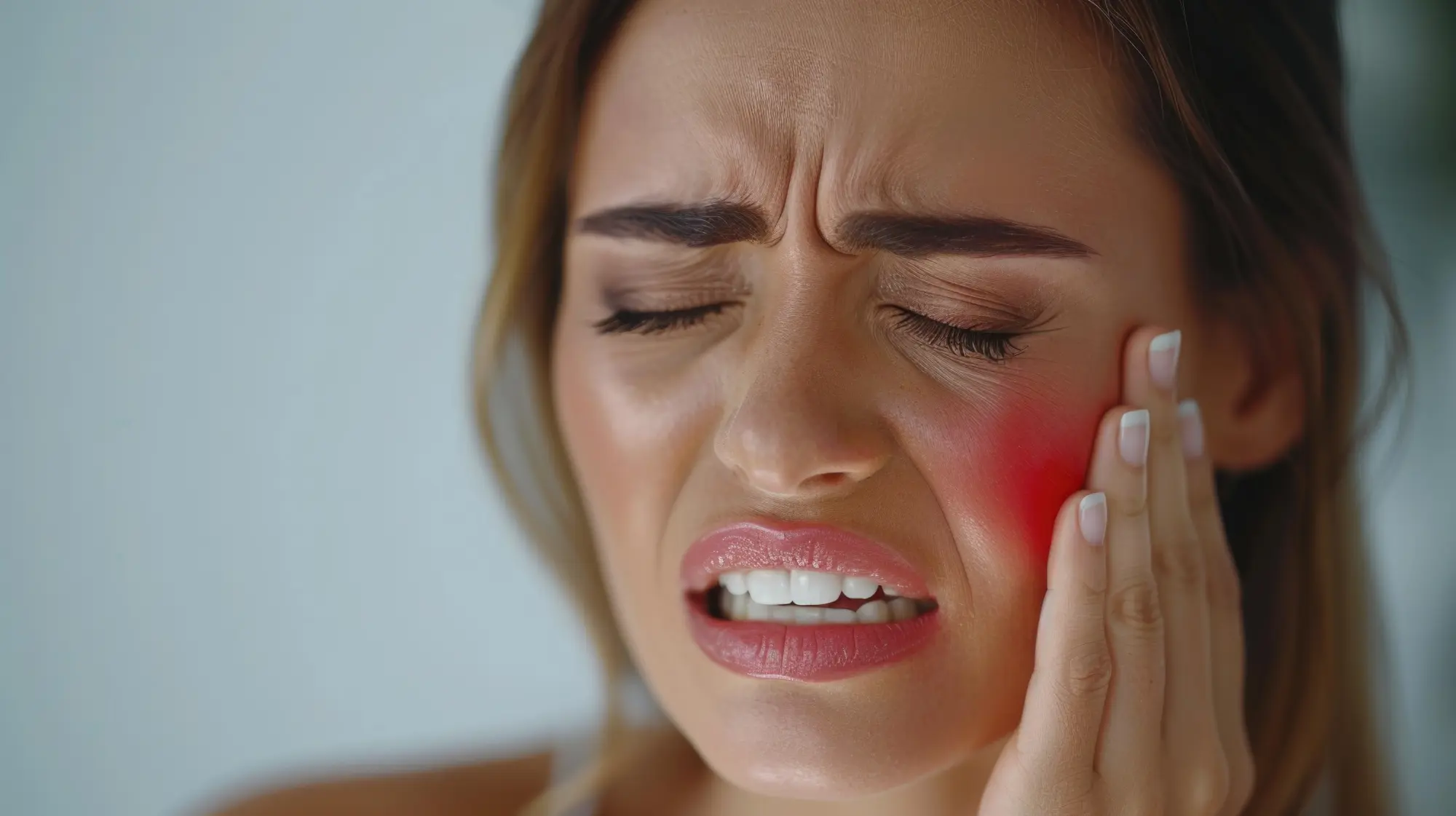
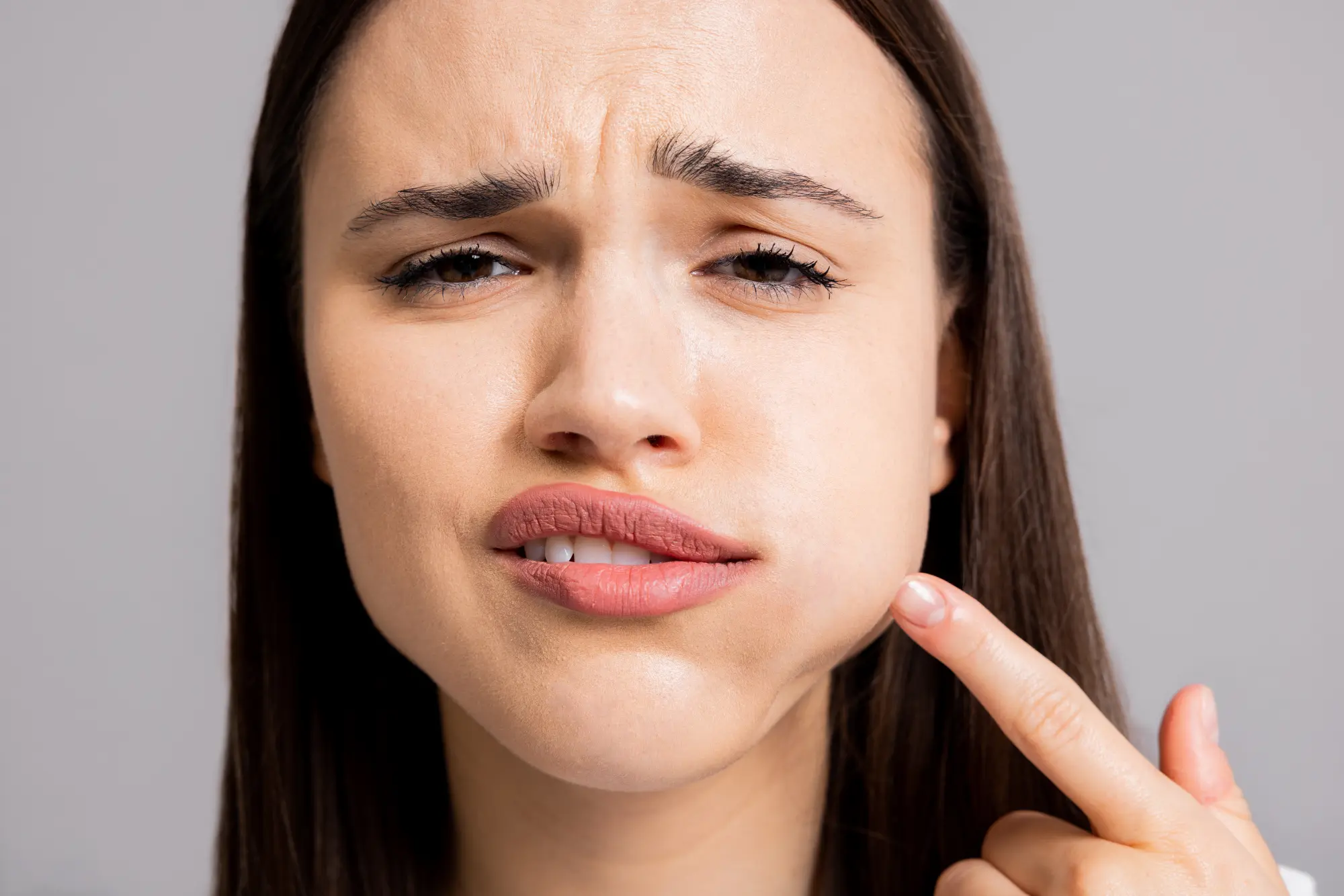
A sudden throbbing tooth, a crack after biting something hard, or a crown that comes off in the middle of dinner can make everything else stop. When that happens, you need someone who will pick up the phone and help you figure out what to do next. At TJ O'Shea DMD, Dr. TJ O'Shea and our team offer same-day and next-day emergency appointments so you can get answers and relief quickly through trusted emergency dental care. Call us at (770) 772-9999 and we'll help you decide how urgent your situation is and what to do while you're on your way.
It isn't always obvious when a dental problem needs immediate attention. As a general rule, an emergency involves pain you can't manage on your own, an injury to your mouth or teeth, or something that has come out of your mouth that shouldn't have. Waiting often gives a small problem time to turn into a bigger one, such as an infection or a tooth that can no longer be saved.
These situations typically call for a prompt visit:
If you're not sure whether what you're feeling qualifies, call us. A team member can talk through your symptoms, tell you whether you should be seen right away, and guide you through self-care until you arrive.
Every emergency is a little different. These are some of the situations we see most often and what we recommend doing before your visit.

If a tooth gets knocked out, keeping it moist makes a real difference. Place it in a container of cold milk while you head to your emergency appointment, and bring it with you so we can evaluate it as soon as you arrive.
This is the differentiator paragraph copy. This is the differentiator paragraph copy. This is the differentiator paragraph copy. This is the differentiator paragraph copy.

See real patient success stories.
Pain is your body's way of telling you something is wrong, and you don't have to live with it. Finding the cause is the first step toward feeling better.
Cracked, chipped, or missing teeth can make it hard to chew and can change how you feel about your smile. Prompt care gives us more options to repair the damage.
Problems such as tooth infections can spread and become more involved to treat. Getting seen early often helps you avoid bigger issues down the road.
Take a few slow breaths and look at what has happened. If your mouth is bleeding, press a clean piece of sterile gauze against the area and hold it there until the bleeding slows or stops, or until you reach our office. Staying calm helps you make clear decisions and makes it easier to describe your symptoms when you call.

Over-the-counter pain relievers such as ibuprofen or acetaminophen can ease discomfort and swelling for a short time. It's best to avoid aspirin after an injury with bleeding, because it can interfere with clotting. A cold compress held against the cheek or lip near the sore area can also help. These steps are temporary comfort measures, not a substitute for being examined.

Once the situation is under control, contact our office. We'll help assess how serious the problem is, get you in as soon as possible, and make sure we're ready for you when you arrive. Calling ahead matters most for knocked-out teeth, where timing can affect whether the tooth can be saved.

Place the crown, filling, or other piece of dental work in a clean plastic bag or container and bring it with you. Then call TJ O'Shea DMD to arrange an emergency visit so we can address it quickly.
Even though a restoration isn't a natural tooth, losing one leaves the tooth underneath exposed to bacteria. That can lead to decay, infection, or sensitivity, so it's worth having it looked at right away. We'll examine the area and talk with you about how to restore it with restorative dentistry.
A loose tooth after an injury should be seen the same day if possible. If the tooth isn't stabilized, the nerves and tissue supporting it can be damaged, and the tooth may eventually be lost. Once you've scheduled your visit, try not to touch it with your tongue or fingers so it stays as stable as possible.
At your appointment, we can attach the loose tooth to the neighboring teeth with a stabilizing splint. The splint holds the tooth steady and gives the surrounding tissue the chance to heal and help the tooth reattach.
It's hard to tell how serious a chip or crack is just by looking or feeling with your tongue. Some are minor, while others reach deep into the tooth. Left untreated, a damaged tooth can become infected and lead to more complicated problems.
The best step is to call us and come in as soon as possible. We'll examine the tooth, determine how far the damage extends, and discuss options for restoring and protecting it so you can eat and smile comfortably again.
Pick the tooth up by the crown (the chewing surface), not the root, to avoid damaging the delicate tissue that helps it reattach. Rinse it gently with warm water if it's dirty, without scrubbing or wrapping it in anything abrasive. If it goes back into the socket easily, place it there, but don't force it. If it won't go in, keep it in a container of cold milk.
Time matters a great deal with a knocked-out tooth. A tooth generally has the best chance of being saved when it's replaced and splinted within one to two hours, so skip extended pain management and call us right away. We'll give you immediate guidance and prepare for your arrival.
A toothache that lasts two or more days can point to an infection, which needs to be treated promptly. In some cases, an infected tooth may need root canal therapy to be saved. Call us as soon as you can, and in the meantime you can hold a cold compress to your cheek, take an over-the-counter pain reliever, or use a topical product such as Orajel to temporarily numb the area.
Please don't wait for the pain to go away on its own. Pain that eases doesn't always mean the problem is gone, so it's still worth being examined. An exam and x-rays help us find the true cause.

© TJ O'Shea, DMD 2019
website by Wonderist Agency | Privacy Policy